
No products in the cart.
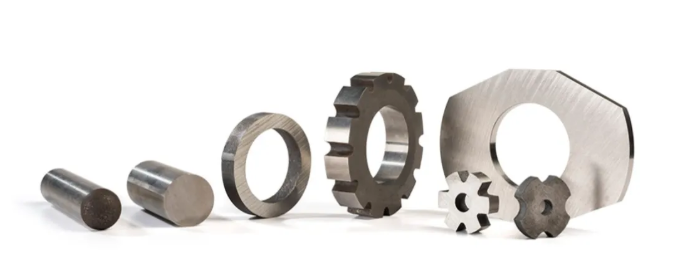
Prior to the invention of rare earth permanent magnet materials in the 1970s, AlNiCo (aluminum-nickel-cobalt) alloys stood as the permanent magnet materials with the strongest magnetic properties. However, because their composition includes the strategic metals cobalt and nickel, their production costs are relatively high. With the subsequent emergence of ferrite and rare earth permanent magnets, AlNiCo materials were gradually supplanted in numerous applications. Nevertheless, in certain high-temperature applications and settings requiring exceptional magnetic stability, AlNiCo magnets continue to hold an unshakable position.
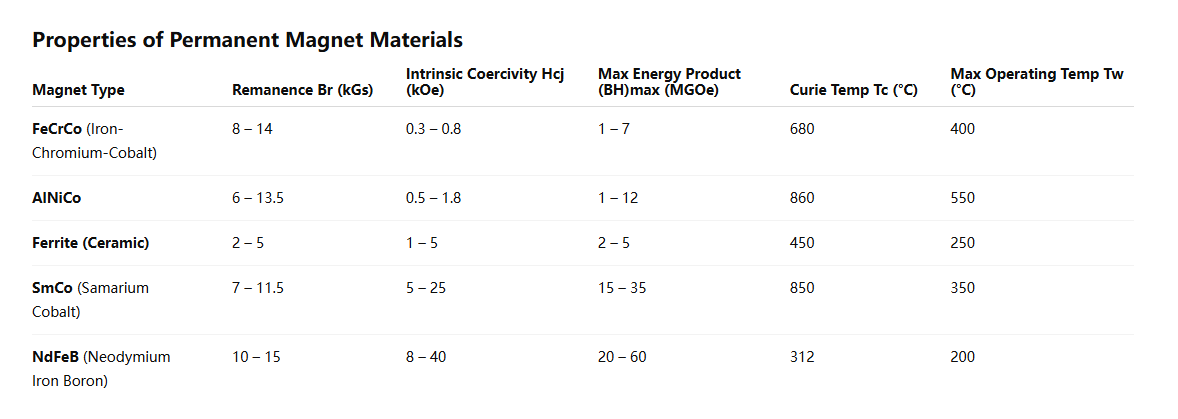
Alnico Permanent Magnet Materials
**Advantages:** High residual induction, extremely low temperature coefficient, and excellent corrosion resistance.
**Disadvantages:** Low mechanical strength, poor machinability, and very low intrinsic coercivity, making them susceptible to demagnetization under vibration and impact.
Given the characteristic low coercivity of AlNiCo permanent magnet materials, their resistance to demagnetization is often enhanced by designing the pole faces as long cylinders or rods. Furthermore, the reverse magnetic fields present in the magnet's operating environment must be strictly controlled to prevent localized irreversible demagnetization or distortions in the magnetic flux density distribution. The demagnetization curve of AlNiCo is nonlinear; the recoil line does not coincide with the demagnetization curve, necessitating a stabilization and aging treatment after magnetization.
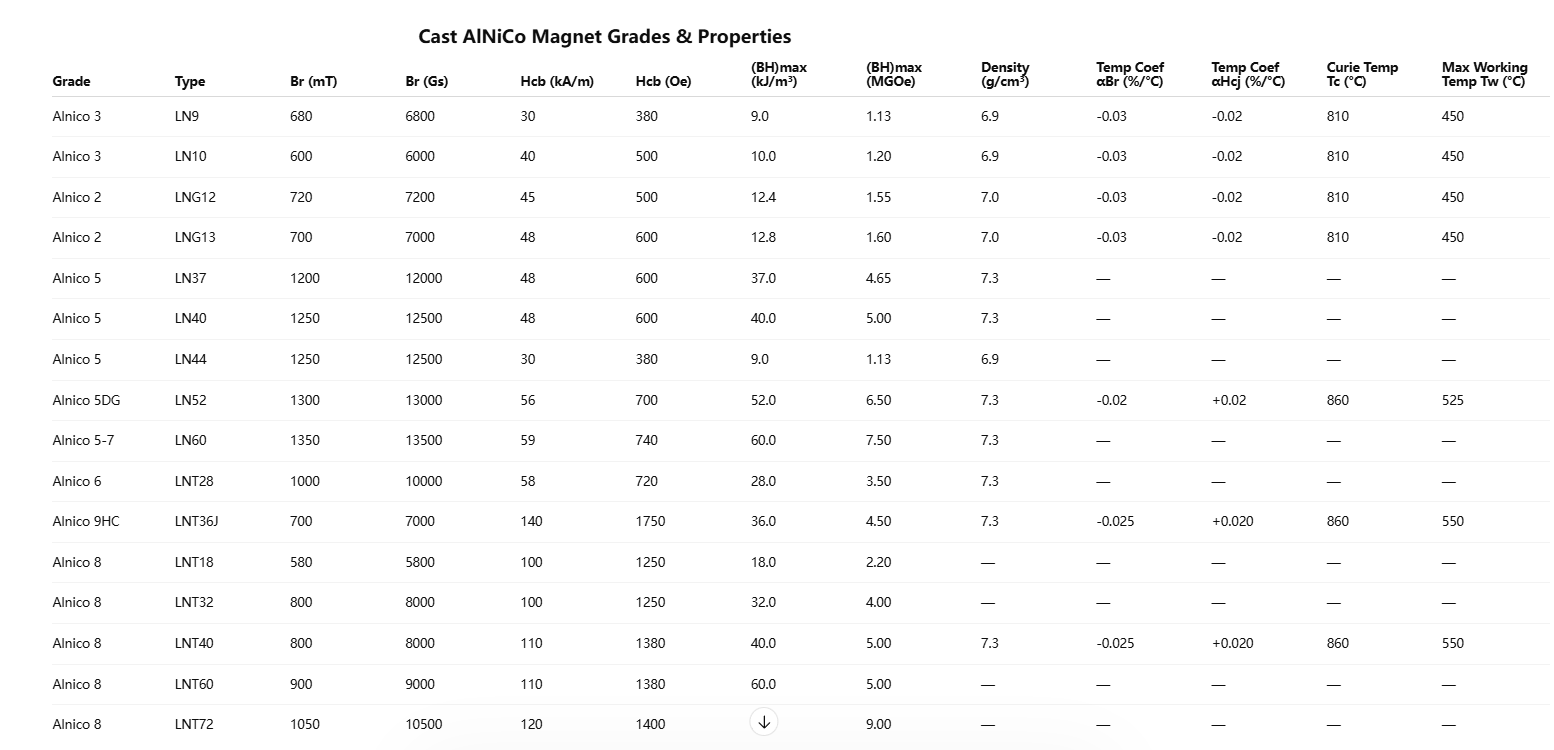
Performance Grades
Commercial AlNiCo grades are generally classified into grades 2, 3, 4, 5, 6, 8, and 9, distinguished primarily by their magnetic properties and chemical composition. Among these, grades 2, 3, and 4 are isotropic magnets, while the remainder are anisotropic magnets. The theoretical maximum energy product of AlNiCo magnets can reach 30–35 MGOe; however, in practice, commercial magnets typically achieve only about one-third of this theoretical value. If AlNiCo magnets could—like other permanent magnet materials such as ferrites, SmCo, and NdFeB—achieve approximately 80% of their theoretical potential, their application prospects would expand significantly, thanks to their superior corrosion resistance and thermal stability.
Manufacturing Processes
Alnico magnets are produced using two primary methods: **casting** and **sintering**. Among these, cast Alnico offers superior magnetic properties and represents the mainstream choice for most market applications. However, due to the poor machinability of cast Alnico, sintered Alnico is preferred for applications involving small components, complex geometries, or scenarios requiring high material uniformity.
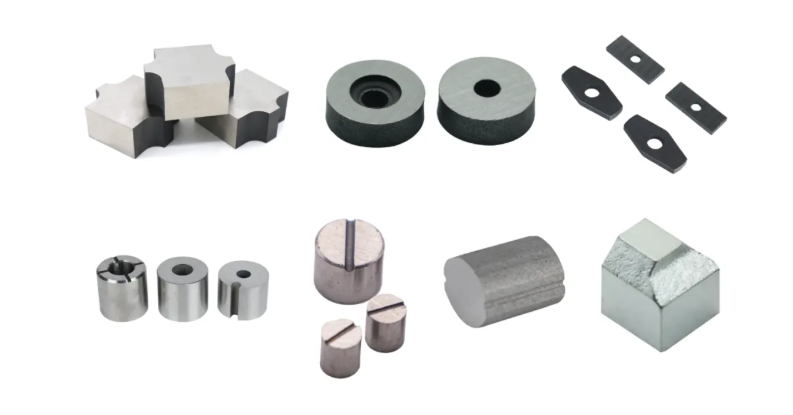
The production process for cast Alnico involves the following steps: batching → melting → casting → heat treatment → performance testing → machining → inspection → packaging. Cast Alnico products are primarily utilized in fields such as metrology and testing, instrumentation magnets, automotive components, high-end audio systems, military equipment, and aerospace applications.
Sintered Alnico is produced using powder metallurgy techniques; its production workflow consists of: batching → powder preparation → pressing → sintering → heat treatment → performance testing → machining → inspection → packaging. Sintered Alnico is well-suited for manufacturing complex, lightweight, thin, and miniature products, finding its main applications in electronic communications, permanent magnetic chucks, magneto-electric switches, and various types of sensors.
Market Status
Currently, in the international market—with the exception of a few enterprises such as Hitachi Metals—most manufacturers have largely ceased production to pivot toward other industries. Meanwhile, high-quality Alnico magnets produced domestically have fully met the demand in this sector. The future prospects of Alnico magnets are inevitably constrained by the resource availability and market pricing of two strategic metals: cobalt and nickel. Furthermore, existing Alnico production lines are characterized by low levels of automation, poor working environments, and a heavy reliance on manual labor. Consequently, only by enhancing production line automation, optimizing magnetic circuit and device designs, and pioneering new application fields can Alnico successfully maintain its position within the realm of permanent magnet materials.