Engineered to Your Specifications. Built for Performance.
Custom magnets and magnetic assemblies from NEOMAG are tailored to the requirements of OEMs, distributors, and industrial buyers. We support custom neodymium magnets with application-specific dimensions, grades, coatings, magnetization directions, and assembly configurations. Share your drawing, sample, or project requirements to help us evaluate a suitable solution.
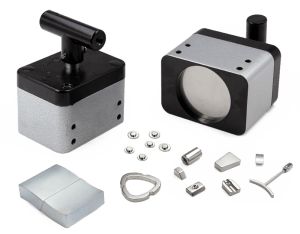

Custom grades and pull strength to match your application.

Materials and coatings that perform reliably in high‑heat environments.

From simple geometries to complex shapes and tight‑tolerance components.

Protective finishes to improve corrosion resistance and performance.

Custom magnetization patterns for optimal field performance.

Custom packaging solutions for safe handling, protection, and presentation.
Selecting the right neodymium magnet grade starts with understanding the magnetic performance required by your application. Different NdFeB grades offer different levels of remanence, maximum energy product and resistance to demagnetization.
At NEOMAG, custom neodymium magnets can be specified according to your required magnetic properties, dimensions, operating conditions and assembly requirements. Whether your project calls for a standard N35 grade, a higher-energy N52 grade or a high-coercivity material, grade selection should be based on the complete application rather than the grade number alone.
The number in a standard NdFeB grade, such as N35, N42 or N52, broadly indicates its maximum energy product range. A higher number generally represents a higher maximum energy product, but it does not automatically mean that the finished magnet will deliver proportionally greater holding force in every application.
Actual magnetic performance also depends on magnet dimensions, magnetization direction, air gap, mating materials and the surrounding magnetic circuit.
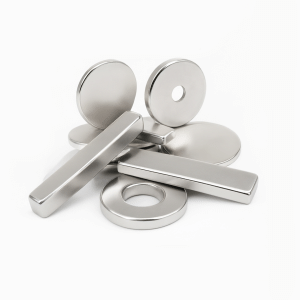
Remanence (Br): Indicates the magnetic flux density retained after magnetization.
Coercive Force (Hcb): Indicates resistance to an externally applied reverse magnetic field.
Intrinsic Coercivity (Hcj): Indicates resistance to irreversible demagnetization and is especially important when evaluating elevated-temperature applications.
Maximum Energy Product ((BH)max): Represents the maximum magnetic energy product of the material and is commonly used to compare the energy potential of different grades.
| Grade | (BH)max |
|---|---|
| N35 | 263–287 kJ/m³ |
| N42 | 318–342 kJ/m³ |
| N52 | 398–422 kJ/m³ |
For additional background on permanent magnet materials and terminology, consult the technical resources published by the National Institute of Standards and Technology (NIST.
N35 and similar grades may be suitable for applications with moderate magnetic requirements. N42 and N48 offer higher maximum energy product ranges, while N50 and N52 are considered when a higher energy product is needed within the available design space.
The best choice depends on the required magnetic output, available magnet volume, operating temperature and resistance to demagnetization. Our team can review your drawing, target specifications or application requirements to help identify suitable custom magnet options.
A higher maximum energy product does not necessarily mean better high-temperature performance. Compare coercivity, operating conditions and demagnetization resistance before selecting a grade.
| Grade | Remanence (Br) | Coercivity (Hcb) | Intrinsic Coercivity (Hcj) | Max Energy Product (BH)max | Max Operating Temp (Tw) | ||||
|---|---|---|---|---|---|---|---|---|---|
| kGs | T | kOe | kA/m | kOe | kA/m | MGOe | kJ/m³ | ||
| N35 | 11.7-12.2 | 1.17-1.22 | ≥10.9 | ≥868 | ≥12 | ≥955 | 33-36 | 263-287 | ≤80°C |
| N38 | 12.2-12.5 | 1.22-1.25 | ≥11.3 | ≥899 | ≥12 | ≥955 | 36-39 | 287-310 | ≤80°C |
| N40 | 12.5-12.8 | 1.25-1.28 | ≥11.4 | ≥907 | ≥12 | ≥955 | 38-41 | 302-326 | ≤80°C |
| N42 | 12.8-13.2 | 1.28-1.32 | ≥11.5 | ≥915 | ≥12 | ≥955 | 40-43 | 318-342 | ≤80°C |
| N45 | 13.2-13.8 | 1.32-1.38 | ≥11.6 | ≥923 | ≥12 | ≥955 | 43-46 | 342-366 | ≤80°C |
| N48 | 13.8-14.2 | 1.38-1.42 | ≥11.6 | ≥923 | ≥12 | ≥955 | 46-49 | 366-390 | ≤80°C |
| N50 | 14.0-14.5 | 1.40-1.45 | ≥12.0 | ≥955 | ≥11 | ≥876 | 48-51 | 382-406 | ≤80°C |
| N52 | 14.3-14.8 | 1.43-1.48 | ≥11.0 | ≥876 | ≥11 | ≥876 | 50-53 | 398-422 | ≤80°C |
| N54 | 14.5-15.0 | 1.45-1.50 | ≥11.0 | ≥876 | ≥11 | ≥876 | 52-55 | 414-438 | ≤70°C |
| Show More ▼ | |||||||||
| 35M | 11.7-12.2 | 1.17-1.22 | ≥10.9 | ≥868 | ≥14 | ≥1114 | 33-36 | 263-287 | ≤100°C |
| 38M | 12.2-12.5 | 1.22-1.25 | ≥11.3 | ≥899 | ≥14 | ≥1114 | 36-39 | 287-310 | ≤100°C |
| 40M | 12.5-12.8 | 1.25-1.28 | ≥11.6 | ≥923 | ≥14 | ≥1114 | 38-41 | 302-326 | ≤100°C |
| 42M | 12.8-13.2 | 1.28-1.32 | ≥12.0 | ≥955 | ≥14 | ≥1114 | 40-43 | 318-342 | ≤100°C |
| 45M | 13.2-13.8 | 1.32-1.38 | ≥12.5 | ≥955 | ≥14 | ≥1114 | 43-46 | 342-366 | ≤100°C |
| 48M | 13.7-14.3 | 1.37-1.43 | ≥12.9 | ≥1027 | ≥14 | ≥1114 | 46-49 | 366-390 | ≤100°C |
| 50M | 14.0-14.5 | 1.40-1.45 | ≥13.0 | ≥1033 | ≥14 | ≥1114 | 48-51 | 382-406 | ≤100°C |
| 52M | 14.3-14.8 | 1.43-1.48 | ≥13.1 | ≥1043 | ≥14 | ≥1114 | 50-53 | 398-422 | ≤100°C |
| Show More ▼ | |||||||||
| 35H | 11.7-12.2 | 1.17-1.22 | ≥10.9 | ≥868 | ≥17 | ≥1353 | 33-36 | 263-287 | ≤120°C |
| 38H | 12.2-12.5 | 1.22-1.25 | ≥11.3 | ≥899 | ≥17 | ≥1353 | 36-39 | 287-310 | ≤120°C |
| 40H | 12.5-12.8 | 1.25-1.28 | ≥11.6 | ≥923 | ≥17 | ≥1353 | 38-41 | 302-326 | ≤120°C |
| 42H | 12.8-13.2 | 1.28-1.32 | ≥12.0 | ≥955 | ≥17 | ≥1353 | 40-43 | 318-342 | ≤120°C |
| 45H | 13.2-13.7 | 1.32-1.37 | ≥12.3 | ≥973 | ≥17 | ≥1353 | 43-46 | 342-366 | ≤120°C |
| 48H | 13.7-14.2 | 1.37-1.42 | ≥12.5 | ≥995 | ≥17 | ≥1353 | 46-49 | 366-390 | ≤120°C |
| 50H | 14.0-14.5 | 1.40-1.45 | ≥12.6 | ≥1003 | ≥17 | ≥1353 | 48-51 | 382-406 | ≤120°C |
| Show More ▼ | |||||||||
| 35SH | 11.7-12.2 | 1.17-1.22 | ≥11.0 | ≥876 | ≥20 | ≥1592 | 33-36 | 263-287 | ≤150°C |
| 38SH | 12.2-12.5 | 1.22-1.25 | ≥11.4 | ≥907 | ≥20 | ≥1592 | 36-39 | 287-310 | ≤150°C |
| 40SH | 12.5-12.8 | 1.25-1.28 | ≥11.8 | ≥939 | ≥20 | ≥1592 | 38-41 | 302-326 | ≤150°C |
| 42SH | 12.8-13.2 | 1.28-1.32 | ≥12.1 | ≥963 | ≥20 | ≥1592 | 40-43 | 318-342 | ≤150°C |
| 45SH | 13.2-13.8 | 1.32-1.38 | ≥12.3 | ≥979 | ≥20 | ≥1592 | 43-46 | 342-366 | ≤150°C |
| 48SH | 13.7-14.3 | 1.37-1.43 | ≥12.7 | ≥1011 | ≥20 | ≥1592 | 46-49 | 366-390 | ≤150°C |
| Show More ▼ | |||||||||
| 28UH | 10.4-10.8 | 1.04-1.08 | ≥9.6 | ≥764 | ≥25 | ≥1990 | 26-29 | 207-231 | ≤180°C |
| 30UH | 10.8-11.3 | 1.08-1.13 | ≥10.2 | ≥812 | ≥25 | ≥1990 | 28-31 | 223-247 | ≤180°C |
| 33UH | 11.3-11.7 | 1.13-1.17 | ≥10.7 | ≥852 | ≥25 | ≥1990 | 31-34 | 247-271 | ≤180°C |
| 35UH | 11.7-12.2 | 1.17-1.22 | ≥10.8 | ≥860 | ≥25 | ≥1990 | 33-36 | 263-287 | ≤180°C |
| 38UH | 12.2-12.5 | 1.22-1.25 | ≥11.3 | ≥899 | ≥25 | ≥1990 | 36-39 | 287-310 | ≤180°C |
| 40UH | 12.5-12.8 | 1.25-1.28 | ≥11.8 | ≥939 | ≥25 | ≥1990 | 38-41 | 302-326 | ≤180°C |
| 42UH | 12.8-13.2 | 1.28-1.32 | ≥12.1 | ≥963 | ≥25 | ≥1990 | 40-43 | 318-342 | ≤180°C |
| 45UH | 13.2-13.8 | 1.32-1.38 | ≥12.3 | ≥979 | ≥25 | ≥1990 | 43-46 | 342-366 | ≤180°C |
| Show More ▼ | |||||||||
| 28EH | 10.4-10.8 | 1.04-1.08 | ≥9.8 | ≥780 | ≥30 | ≥2388 | 26-29 | 207-231 | ≤200°C |
| 30EH | 10.8-11.3 | 1.08-1.13 | ≥10.2 | ≥812 | ≥30 | ≥2388 | 28-31 | 223-247 | ≤200°C |
| 33EH | 11.3-11.7 | 1.13-1.17 | ≥10.5 | ≥836 | ≥30 | ≥2388 | 31-34 | 247-271 | ≤200°C |
| 35EH | 11.7-12.2 | 1.17-1.22 | ≥11.0 | ≥876 | ≥30 | ≥2388 | 33-36 | 263-287 | ≤200°C |
| 38EH | 12.2-12.5 | 1.22-1.25 | ≥11.3 | ≥899 | ≥30 | ≥2388 | 36-39 | 287-310 | ≤200°C |
| 40EH | 12.5-12.8 | 1.25-1.28 | ≥11.6 | ≥923 | ≥30 | ≥2388 | 38-41 | 302-326 | ≤200°C |
| 42EH | 12.8-13.2 | 1.28-1.32 | ≥11.7 | ≥931 | ≥30 | ≥2388 | 40-43 | 318-342 | ≤200°C |
| Show More ▼ | |||||||||
| 28AH | 10.4-10.8 | 1.04-1.08 | ≥9.9 | ≥787 | ≥33 | ≥2624 | 26-29 | 207-231 | ≤230°C |
| 30AH | 10.8-11.3 | 1.08-1.13 | ≥10.3 | ≥819 | ≥33 | ≥2624 | 28-31 | 223-247 | ≤230°C |
| 33AH | 11.3-11.7 | 1.13-1.17 | ≥10.6 | ≥843 | ≥33 | ≥2624 | 31-34 | 247-271 | ≤230°C |
| 35AH | 11.7-12.2 | 1.17-1.22 | ≥11.0 | ≥876 | ≥33 | ≥2624 | 33-36 | 263-287 | ≤230°C |
| 38AH | 12.2-12.5 | 1.22-1.25 | ≥11.3 | ≥899 | ≥33 | ≥2624 | 36-39 | 287-310 | ≤230°C |
| 40AH | 12.5-12.8 | 1.25-1.28 | ≥11.6 | ≥923 | ≥33 | ≥2624 | 38-41 | 302-326 | ≤230°C |
| Show More ▼ | |||||||||
Operating temperature is an important consideration when selecting a custom neodymium magnet. As temperature increases, a magnet's magnetic properties can change, and certain operating conditions may cause irreversible loss of magnetic performance.
For this reason, selecting a high-temperature NdFeB grade involves more than choosing the highest available magnetic strength. The material must provide an appropriate balance of magnetic output, resistance to demagnetization and thermal requirements.
NdFeB grades commonly include suffixes such as M, H, SH, UH and EH. These designations distinguish material grades with different coercivity characteristics and are useful when evaluating magnets for elevated-temperature applications.
A higher-temperature grade may provide greater resistance to demagnetization, but it does not automatically guarantee the highest magnetic output. The appropriate choice depends on the required remanence, intrinsic coercivity, magnet dimensions, operating temperature and magnetic circuit.
Standard N Series: Used where the operating conditions are compatible with the selected standard grade.
M Series: Evaluated for applications requiring increased coercivity compared with standard grades.
H Series: Considered for applications with more demanding temperature or demagnetization requirements.
SH Series: Evaluated for higher-temperature operating conditions.
UH Series: Considered where additional resistance to demagnetization is required at elevated temperatures.
EH Series: Evaluated for applications with more demanding thermal requirements.
|
Grade family |
Max Operating Temp (from chart) |
|---|
|
N Series |
Typically ≤80°C (N54 is rated at ≤70°C) |
|
M Series |
≤100°C |
|
H Series |
≤120°C |
|
SH Series |
≤150°C |
|
UH Series |
≤180°C |
|
EH Series |
≤200°C |
|
AH Series |
≤230°C |
A grade's nominal temperature category should not be treated as a universal operating-temperature guarantee. Actual performance depends on the magnet's geometry, magnetic load line, surrounding magnetic circuit, external fields, heat exposure and the acceptable level of irreversible flux loss.
When specifying a custom magnet, provide both the normal continuous operating temperature and the maximum temperature the magnet may experience. This helps determine whether a standard grade is suitable or whether a higher-coercivity material should be evaluated.
NEOMAG can review your target magnetic properties, operating conditions and dimensional requirements to help identify appropriate material options for your application.
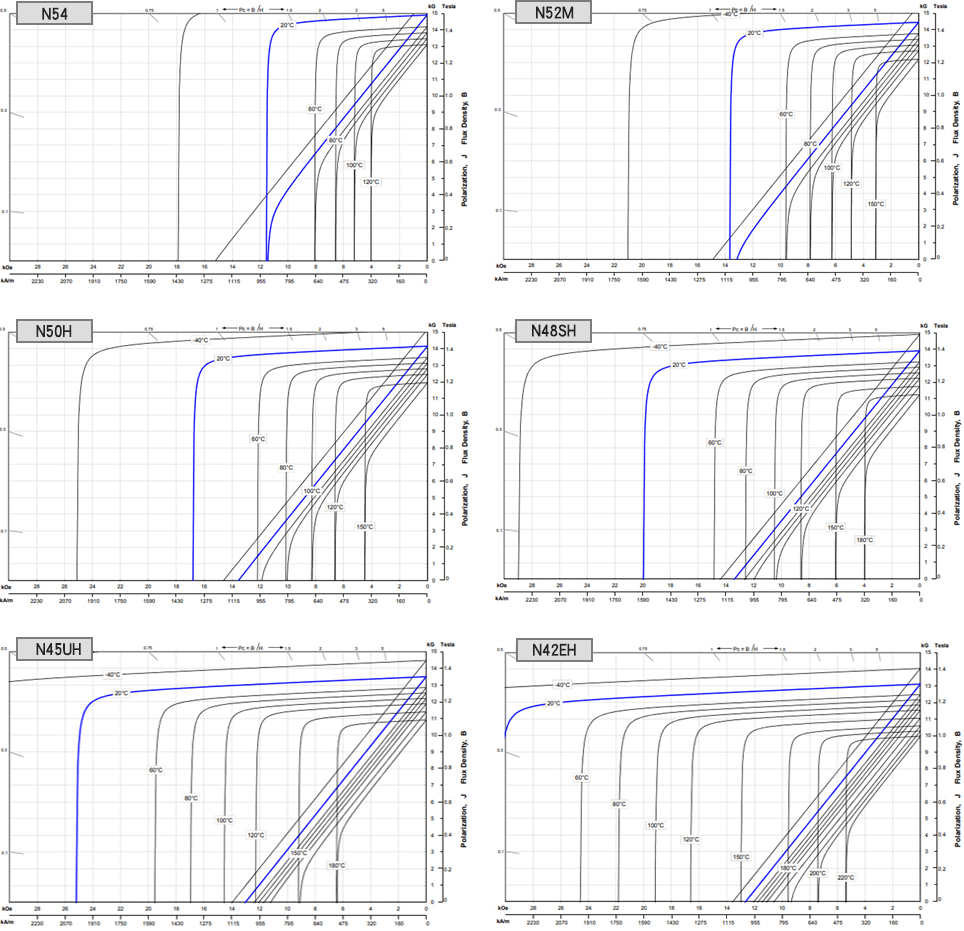
Demagnetization curves illustrate how magnetic performance changes with temperature and magnetic operating conditions. Comparing curves across grades helps engineers evaluate resistance to demagnetization and determine whether a material is suitable for a specific design.
The appropriate grade should be selected using the relevant material datasheet and the magnet's actual operating conditions. A curve comparison alone does not establish the maximum safe operating temperature for every geometry or magnetic circuit.
NEOMAG supports custom neodymium magnet shapes, dimensions and magnetic configurations for OEM and industrial applications. From individual magnets to application-specific magnetic assemblies and flexible magnets, solutions can be evaluated according to your drawings, samples and project requirements.
Choose a common magnet geometry or submit a drawing for a custom design. Dimensions, material grade, coating, magnetization direction and tolerance requirements can be reviewed according to your application.
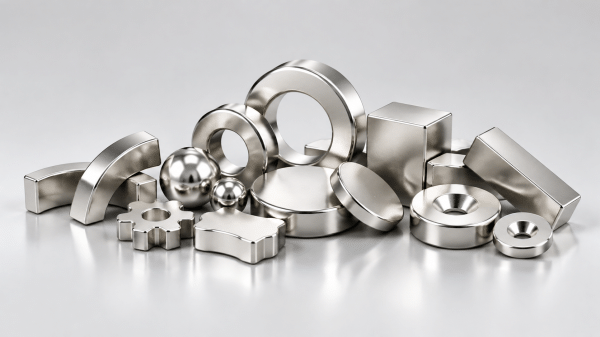
Disc Magnets
Round neodymium magnets customized by diameter, thickness, grade, coating and magnetization direction.
Block Magnets
Rectangular magnets specified by length, width, thickness and required magnetization axis.
Ring Magnets
Ring-shaped magnets with custom outer diameter, inner diameter, thickness and pole orientation.
Countersunk Magnets
Magnets with countersunk mounting holes, specified by outer dimensions, hole diameter and countersink geometry.
Sphere Magnets
Spherical magnets evaluated according to diameter, material grade, surface finish and application requirements.
Arc Magnets
Curved magnets designed around the required radius, arc angle, length, thickness and magnetization configuration.
Custom & Irregular Shapes
Non-standard magnet geometries reviewed from engineering drawings, samples or dimensional specifications, subject to manufacturing feasibility.
For applications that require mounting features, protective coverings or flexible magnetic formats, NEOMAG can review product configurations and requirements for suitable magnetic solutions.
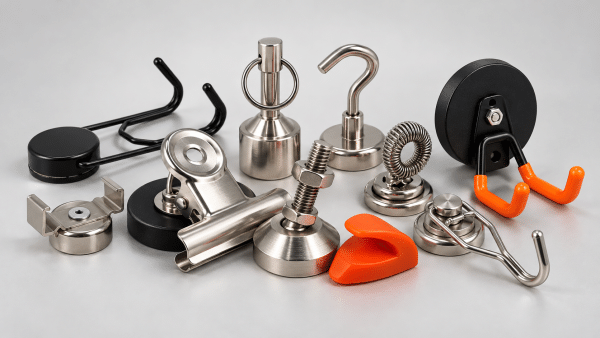
Pot Magnets
Steel-cup magnetic assemblies available in different mounting configurations, including threaded studs, internal threads and countersunk holes, subject to product specifications.
Fishing Magnets
Magnetic assemblies evaluated according to target pull requirements, mounting configuration and intended operating conditions.
Magnetic Hooks
Hook-and-magnet assemblies with different hook styles, base dimensions and mounting requirements.
Rubber-Coated Magnets
Protective rubber-coated magnet designs intended to improve surface contact and help reduce scratching or slipping in suitable applications.
Glassboard Magnets
Magnets designed for compatible glassboards, with magnetic strength and contact surfaces selected according to board construction and thickness.
Flexible Magnets
Flexible magnetic sheets, strips and die-cut shapes specified according to required dimensions, thickness, shape and application.
Have a drawing, sample or preliminary design? Share your required dimensions, material grade, magnetization direction, coating, tolerances and order quantity for technical review.
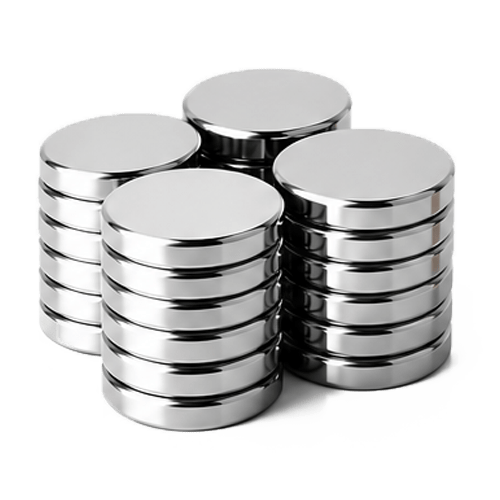
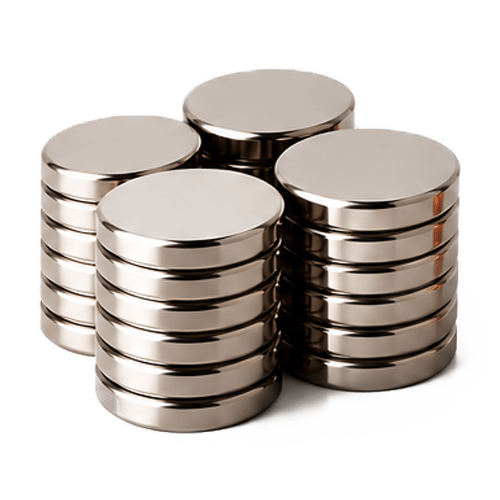
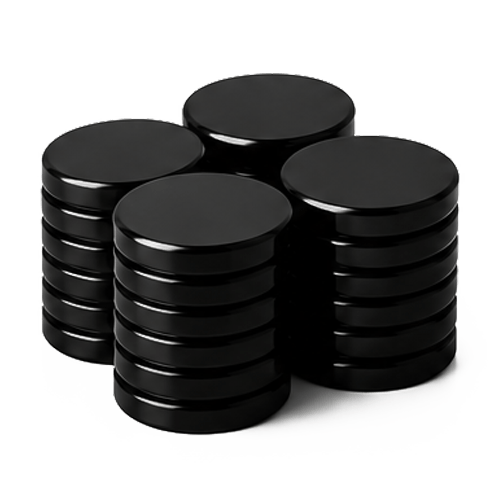
The right coating helps protect a magnet's surface and supports the requirements of its intended application. NEOMAG offers a range of coating and finish options for custom magnets, selected according to environmental exposure, surface protection, appearance and application requirements.
From common nickel finishes to epoxy and other specified coatings, the appropriate option depends on the magnet material, geometry and expected operating conditions.
Coating selection should consider humidity, corrosion exposure, handling, surface contact and the operating environment. Different finishes offer different characteristics, and no single coating is suitable for every application.
If you have specific corrosion-resistance, appearance or environmental requirements, include them in your custom magnet inquiry so the available options can be evaluated.


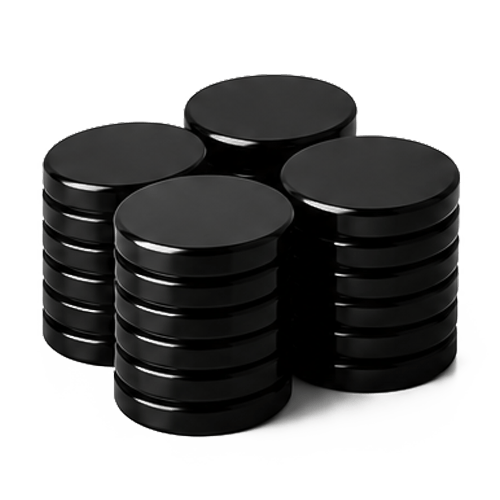

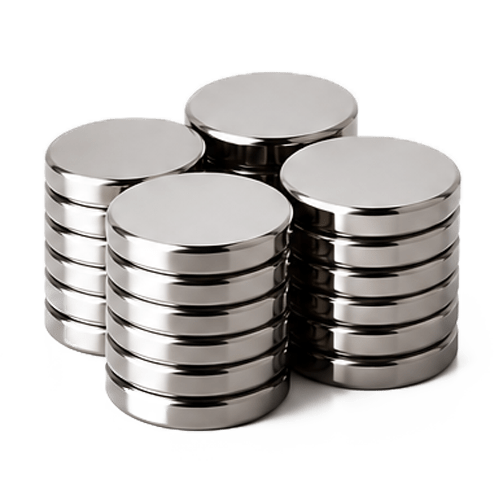
Magnetization direction determines the orientation of a magnet's north and south poles and influences how it interacts with the surrounding magnetic circuit. Depending on the magnet geometry and application, different magnetization directions and pole configurations may be considered.
NEOMAG can review magnetization requirements for custom disc, block, ring, arc and other magnet designs. Providing a drawing or identifying the required pole orientation helps clarify the specifications for your project.
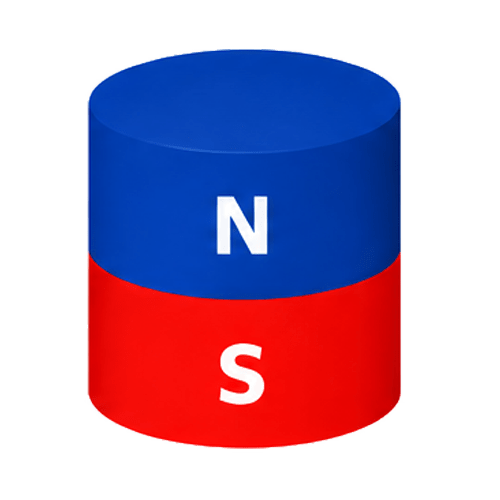






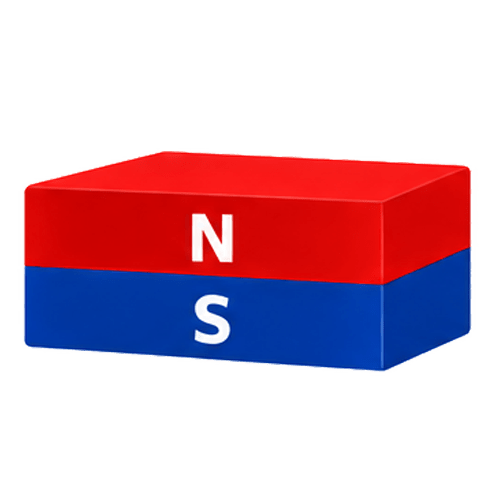
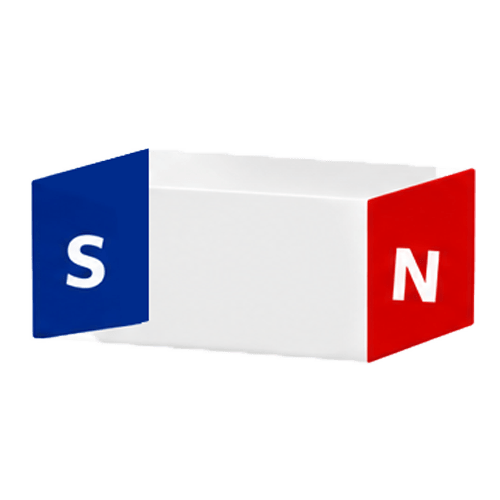
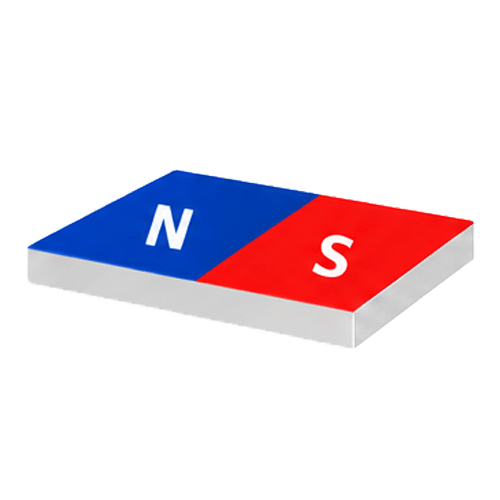
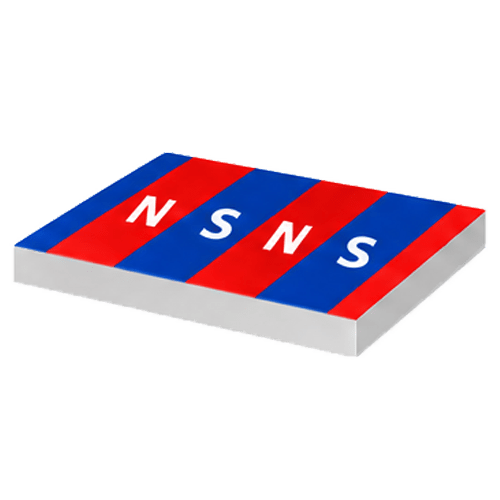
When requesting a custom magnet, specify the magnet's dimensions, intended pole faces, magnetization direction and any required multipole pattern. For ring magnets and complex assemblies, a drawing showing the pole arrangement is especially helpful.
Proper packaging helps protect magnets and magnetic assemblies during handling and transportation. NEOMAG uses protective packaging materials and organized packing methods selected according to product shape, dimensions and order requirements.
Depending on the product, packaging may include foam inserts, protective wrapping, product separation and corrugated cartons to help reduce movement, surface contact and handling damage.
Protective Foam Inserts
Foam inserts help cushion products and keep them positioned within the packaging. The packaging arrangement can be selected according to the product's shape and dimensions.
Individual Wrapping & Product Separation
Protective wrapping and separation help reduce direct contact between products, supporting surface protection during handling and packing.
Organized Product Packing
Magnets and components can be arranged in rows or separated into designated sections to help keep products organized and facilitate order handling.
Carton Packaging
Corrugated cartons provide an outer layer of protection for packed products. Packaging materials and configurations are selected according to product characteristics and order requirements.
Different magnet shapes and assemblies may require different packaging arrangements. When requesting a quote, let us know your product dimensions, order quantity and any specific packaging requirements so we can evaluate a suitable packing method.
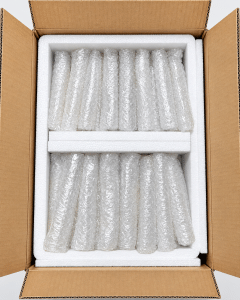
Foam inserts and protective wrapping for custom magnet products
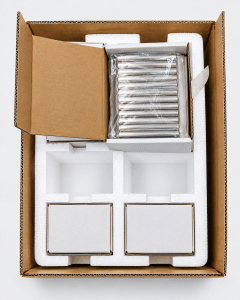
Individually wrapped magnetic components separated by protective foam
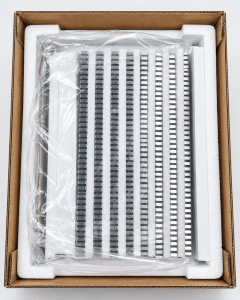
Neatly arranged neodymium magnets in a protective foam packaging tray

Share your requirements and application details.

Our team designs and optimizes a solution for your needs.

We produce prototypes for testing and validation.

Prototype is tested for performance and quality approval.

Precision manufacturing ensures consistent quality and performance.

Products are inspected and packaged to protect and perform.

Ongoing support for your success and satisfaction.
Talk to our experts. We'll help you design and deliver the right magnet for your needs.