
No products in the cart.
The surface protection of NdFeB permanent magnets serves three purposes:
1. Enhancing the corrosion resistance of NdFeB. Various surface protection methods protect against corrosion caused by humid environments as well as acids, alkalis, salts, and harmful gases.
2. Thoroughly cleaning the magnet surface, such as removing loose magnetic particles, to achieve a smooth surface and prevent such particles from affecting functionality or damaging the magnetic system.
3. Providing operational protection by preventing magnetic particles from detaching during assembly or service.
In previous articles, we have already provided detailed introductions to common surface treatment methods for NdFeB, including phosphating, electroplating, electrophoresis, and vapor deposition. Today, we will discuss passivation.
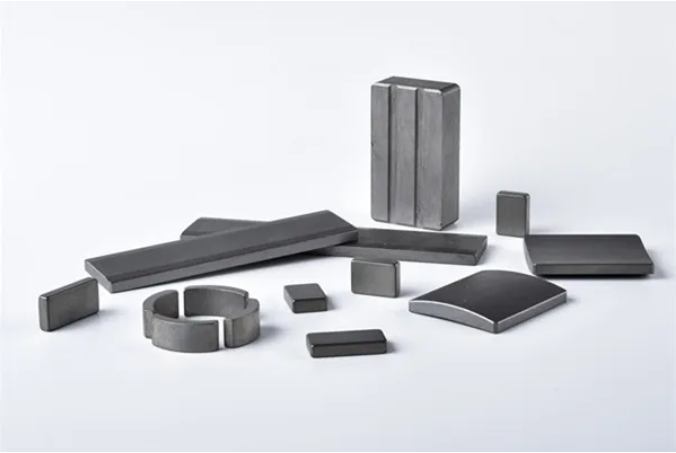
Passivation of NdFeB is similar to phosphating in that it forms a protective film on the magnet surface through chemical methods to achieve corrosion protection. Surface chemical conversion film technology is a common technique in surface treatment. Currently, phosphating is the primary method used for chemical conversion film treatment on NdFeB surfaces, mostly zinc-based or iron-based phosphating. However, the phosphating film itself has poor corrosion resistance and is often not used alone for corrosion protection; instead, it is combined with electrophoresis or coating to form a composite anti-corrosion layer. Moreover, the phosphating process uses large quantities of phosphoric acid and phosphate compounds, which can easily cause phosphorus pollution and lead to eutrophication of water bodies, making the production process environmentally unfriendly.
Compared with phosphating agents, passivation agents have a simpler composition and do not contain phosphoric acid or phosphate compounds, making them more environmentally friendly.
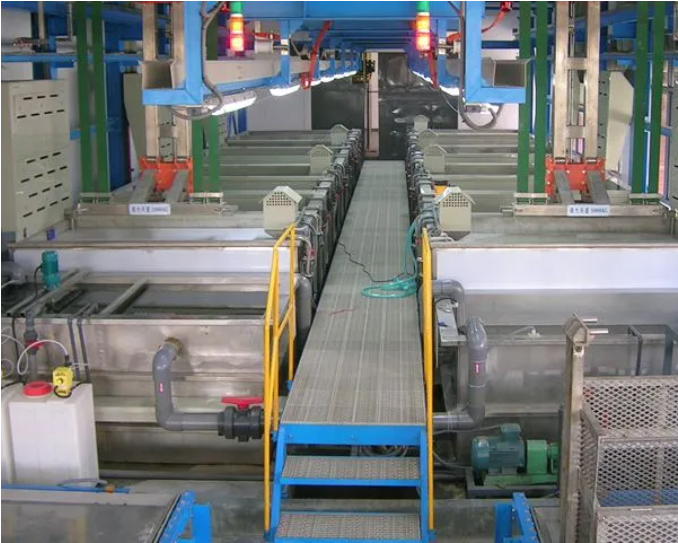
The typical passivation process for NdFeB is as follows:
Degreasing → Water rinse → Ultrasonic water rinse → Acid pickling → Water rinse → Ultrasonic water rinse → Pure water rinse → Pure water rinse → Passivation treatment → Pure water rinse → Pure water rinse → Dehydration → Drying
Degreasing
Degreasing removes only grease, dust, sweat stains, and adhered metal particles from the NdFeB surface; it does not remove corrosion products such as rust. The oil contamination on the NdFeB surface originates from material processing stages, such as anti-rust oils applied during storage and transportation, or cutting fluids used during machining.
Before further surface treatment, NdFeB must have its surface oil contamination thoroughly cleaned; otherwise, the quality of subsequent chemical conversion, electroplating, or coating will be affected. Due to the wide variety of oil contamination sources and the significant differences in contamination levels, degreasing is a complex process. To avoid corrosion and residual contamination during degreasing, it is advisable to use degreasing agents with low free alkalinity and total alkalinity.
Acid Pickling
The purpose of acid pickling is to remove residual black ash and corrosion products from the NdFeB surface. The pickling solution typically consists of 2%–4% nitric acid, with a treatment time of 0.5–2.0 minutes. High acid concentrations and prolonged pickling times are detrimental to the magnet.
Passivation
Passivation is achieved by immersing or spraying the magnet in a passivation solution for a certain period, or by anodically polarizing the magnet. This forms a passivation film on the surface. As an important surface anti-corrosion treatment method, passivation is widely applied to many metals, especially aluminum, zinc, cadmium, tin, magnesium, and their alloys.
Traditional passivation treatments mostly use chromic acid and chromates as processing agents, known as chromate passivation. The chromate conversion film formed on the metal surface provides good corrosion protection for the base metal. As a standalone protective film, passivation is simple, practical, and cost-effective, and was widely used in the early development of NdFeB. However, its critical drawback is the presence of toxic hexavalent chromium Cr(VI), which is harmful to human health and the environment, prompting active research into effective alternatives. In recent years, China has seen numerous patents for passivation agents. One such NdFeB magnet passivation agent includes oxalic acid, surfactants, and complexing agents. It has a simple composition, combines degreasing, rust removal, and passivation functions, and contains no phosphoric acid or phosphate compounds, making it a more convenient and environmentally friendly passivation agent for NdFeB magnets.
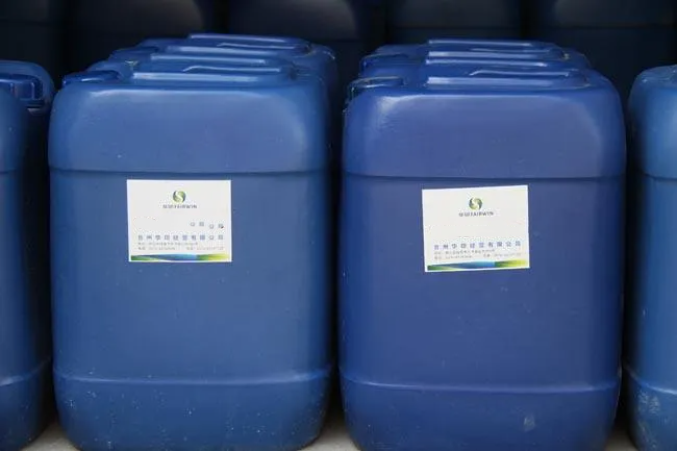
In recent years, the corrosion resistance requirements for NdFeB conversion films have become increasingly stringent. Passivation alone can no longer meet these requirements. The commonly adopted approach is to use a composite conversion film technology, i.e., phosphating followed by passivation, which effectively enhances the corrosion resistance of the composite conversion film by filling the pores of the phosphating film.